Are you ready to keep your team safe? With remote work becoming the norm, secure remote workforce is no longer just a nice-to-have—it’s a must. Whether your team is working from home, a coffee shop, or on the go, keeping your business data protected while giving your employees the flexibility they need can feel like a big challenge. But don’t worry, I’ve got you covered. In this guide, we’ll break down everything you need to know about securing your remote workforce, including easy-to-follow tips and real-world solutions to help you build a strong defense against cyber threats.
Let’s be honest: the rise of remote work has brought a whole new set of remote workforce security challenges. More employees are logging in from various locations, using personal devices, and connecting over public Wi-Fi. It’s enough to make any business owner worry. But it doesn’t have to be a constant headache. Securing a remote workforce doesn’t need to be complicated—you just need the right tools, the right policies, and the right mindset.
What Does a Secure Remote Workforce Really Mean?
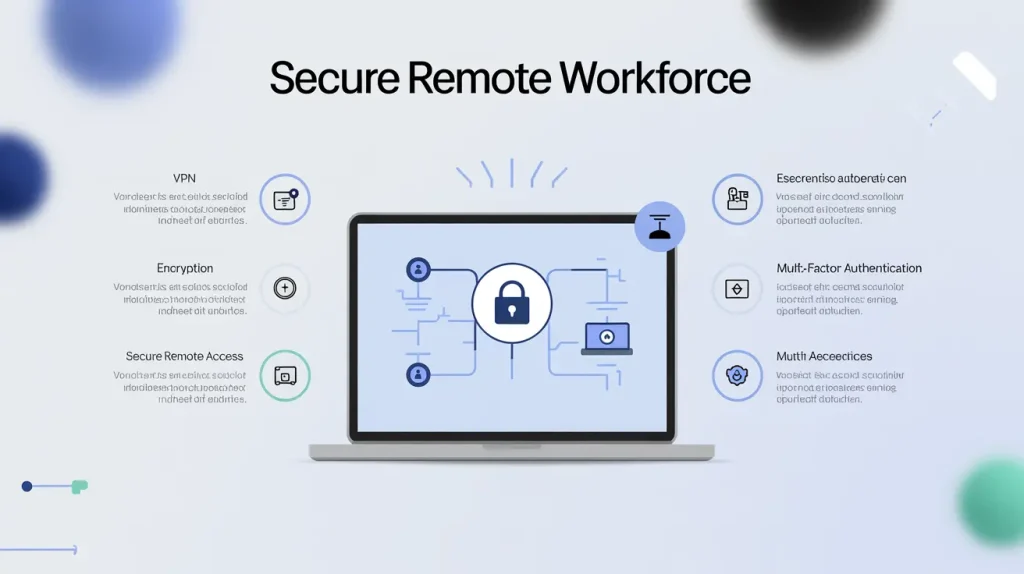
When you think about a secure remote workforce, it’s not just about throwing on a VPN and calling it a day. Sure, that’s part of it, but there’s more to it. A secure remote workforce means giving your team the tools to work anywhere—without risking your company’s security.
Imagine this: your employees can access files, use apps, and communicate with colleagues just like they would in the office. But, instead of worrying about sensitive data getting lost in cyberspace, you’ve put in place smart policies and technologies that protect everything from personal information to company trade secrets. That’s what it means to have a secure remote workforce—and it’s absolutely doable with the right approach.
Why Securing Your Remote Workforce Is So Important
Let’s be real. When your team is scattered across different locations, working from various devices, there’s a lot that could go wrong if you’re not careful. It’s easier than ever for hackers to exploit vulnerabilities in remote workforce security.
You might think, “Hey, my team uses strong passwords and has a good antivirus system.” But that’s not enough anymore. Cybercriminals are getting smarter, and remote work is like an open invitation for them to break in. That’s why secure remote workforce goes beyond the basics. It’s about staying one step ahead of the bad guys, keeping your data safe, and empowering your employees to work confidently.
The Biggest Security Risks for Your Remote Workforce
1. Increased Attack Surface
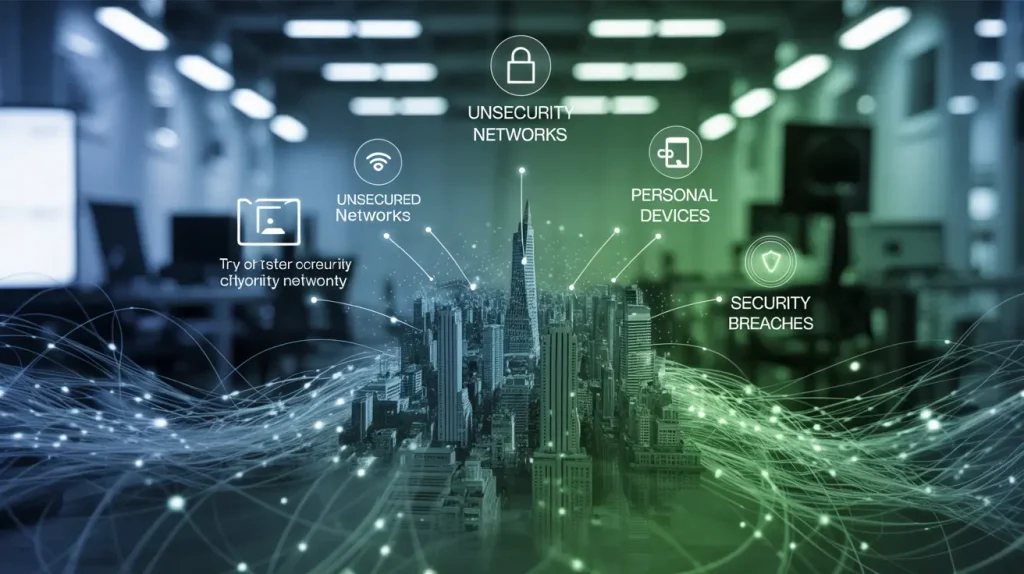
With remote work, your company’s “perimeter” is no longer just the office walls. It’s everywhere. Every device, every internet connection, and every application your team uses is a potential entry point for hackers. That’s why you need to consider things like secure remote workforce cyber security to protect against threats.
2. Unsecured Networks
Public Wi-Fi at a coffee shop? A home network that’s never been updated? These are the kinds of unsecured connections that can leave your data exposed. If your employees are using anything less than a secure remote access solution, you’re at risk.
3. Device Control Issues
When your employees use personal devices for work, there’s no guarantee they have the latest security updates, anti-malware software, or encryption. This lack of control makes it much easier for remote workforce security to get compromised.
Example: NIST Cybersecurity Framework
How to Secure Your Remote Workforce: Easy Tips to Get Started
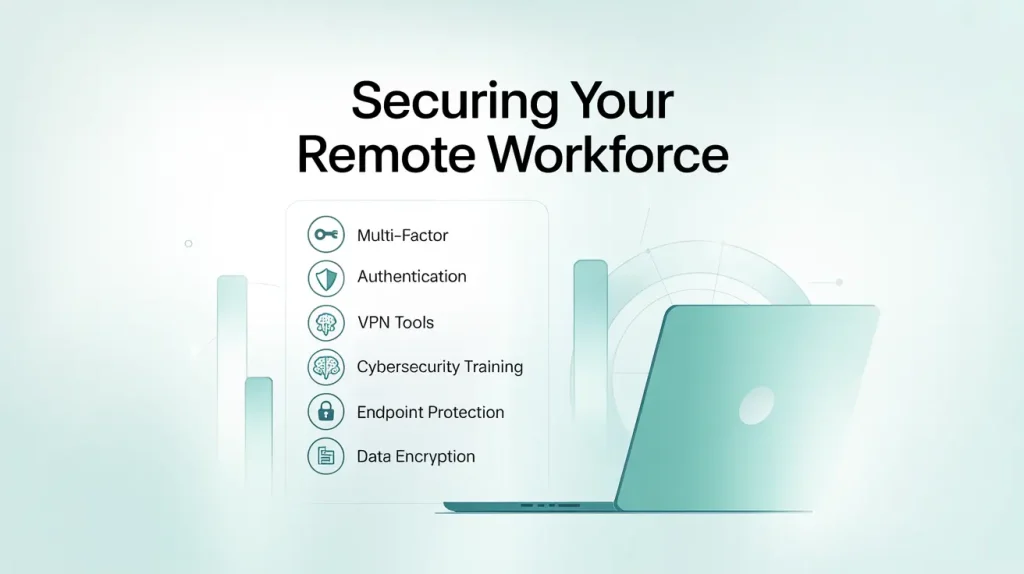
Alright, now that we’ve talked about the challenges, let’s get into the good stuff—the actionable solutions! Here’s how you can start securing your remote workforce today.
1. Use Multi-Factor Authentication (MFA)
If there’s one thing that can drastically improve your remote workforce security, it’s multi-factor authentication (MFA). MFA is a game-changer. Basically, it’s an extra layer of protection, so even if someone steals a password, they still can’t get in.
It’s easy to set up and adds a ton of protection. All you need is to require a second form of verification—like a one-time code sent to your phone or a fingerprint scan. Simple but incredibly effective.
2. Invest in Secure Remote Access Tools
You wouldn’t let your employees walk around with open laptops in public, right? Well, remote work is no different. Secure remote access tools like VPNs (Virtual Private Networks) and Secure SD-WAN solutions are a must for encrypting data and making sure your employees can connect safely, no matter where they are.
Common Security Challenges and How to Overcome Them
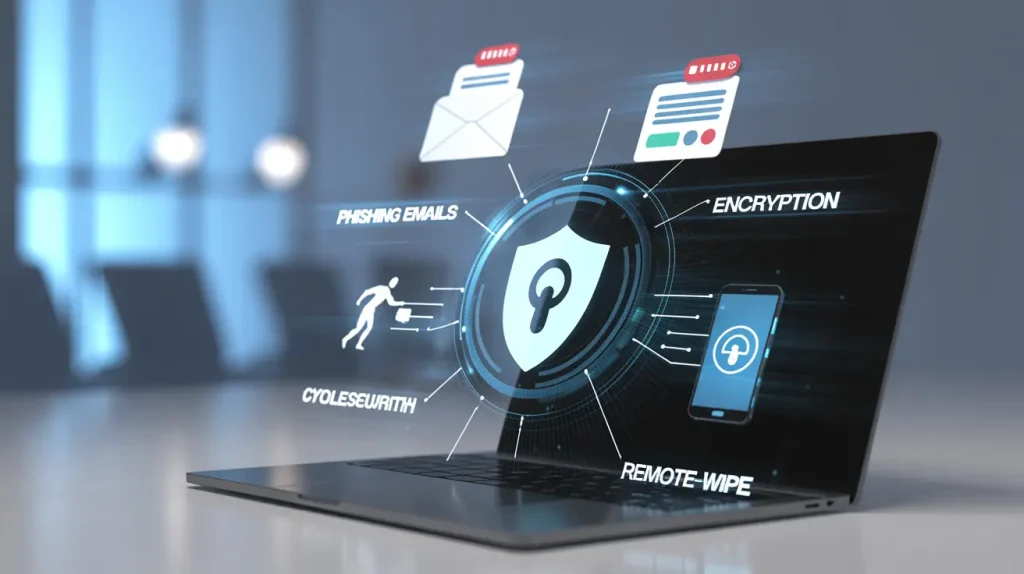
Here are a few remote workforce security challenges that most businesses face and how to solve them:
1. Phishing Attacks
Phishing emails are still one of the most common ways cybercriminals trick employees into giving away sensitive information. Make sure you’re educating your team on what phishing looks like and how to spot those sneaky emails. A little training can go a long way in stopping these attacks.
2. Device Theft
What happens if an employee’s laptop or phone gets stolen? That’s a big concern when you have a mobile workforce. The good news is, you can mitigate this risk by using encryption and remote-wipe tools that will erase data from lost or stolen devices.
3. Data Leakage
Sometimes, data leaks happen because employees don’t know how to handle it properly. Using data loss prevention (DLP) tools can help prevent data from being accidentally sent to the wrong person or place. It’s a simple but effective solution to stop unwanted leaks.
Read More: Bug Bounty Hunter Roadmap
Best Practices for Securing Your Remote Workforce
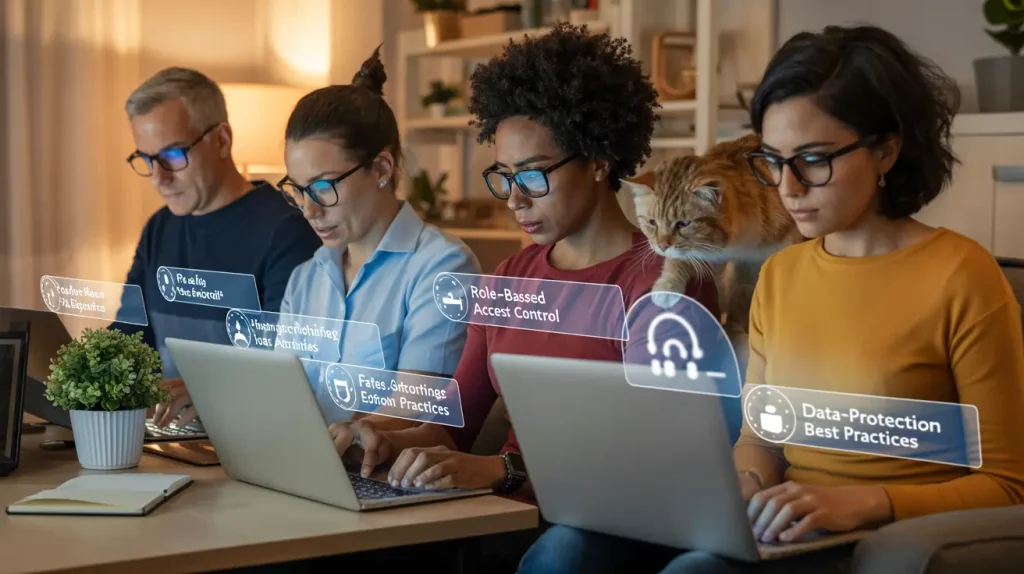
1. Educate Your Team on Cybersecurity
You can have the best secure remote workforce security tools, but if your employees aren’t on board, your efforts won’t go far. Regularly train your team on cybersecurity best practices, like recognizing phishing attempts, creating strong passwords, and using encrypted communication channels. Empowering your team to stay alert is a key part of securing the remote workforce.
2. Use Role-Based Access Control (RBAC)
Not everyone needs access to everything. With role-based access control, you can limit access to sensitive company data based on the employee’s role. This minimizes the risk of a data breach because only the people who need access get it.
Advanced Strategies to Secure Your Remote Workforce
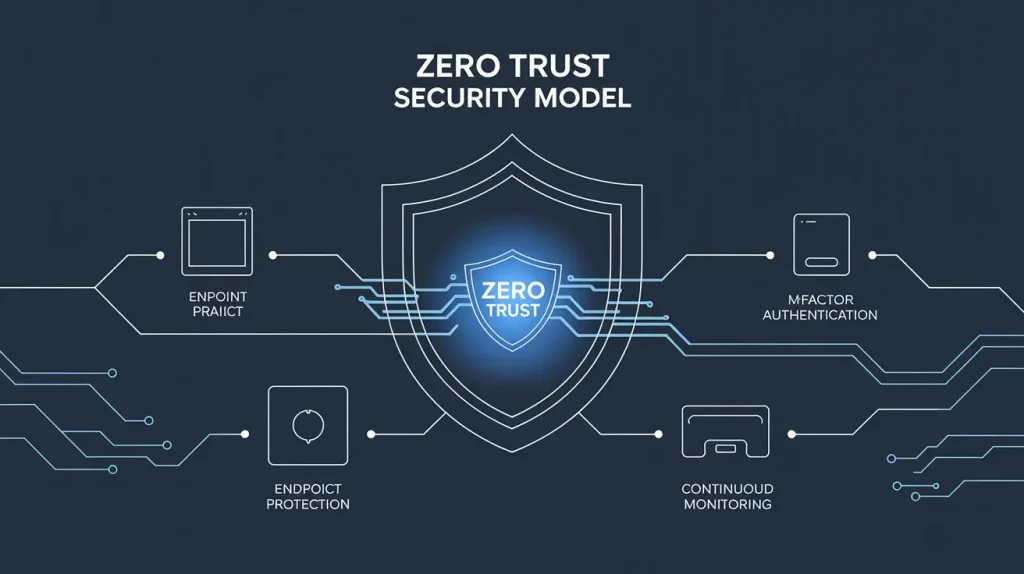
1. Zero Trust Security Model
The Zero Trust model is all about trust but verify. Instead of assuming everything inside your network is safe, it constantly checks every access request. Even if someone is already inside, they have to prove their identity again. This can be incredibly effective in keeping your remote workforce secure.
2. Endpoint Protection Software
With endpoint protection software, you can keep track of all the devices your employees are using. This software can protect devices from malware, keep them updated, and ensure that they’re following your security protocols. It’s a no-brainer for any organization with a secure remote workforce.
3. Use Secure Collaboration Tools
Remote workers rely on tools like Zoom, Slack, and Teams to stay connected. Make sure you’re using tools that offer end-to-end encryption and secure file sharing. If your communication tools aren’t secure, neither is your data.
Top Security Risks with Remote Workforce (And How to Avoid Them)
Here’s a quick look at some of the top security risks for secure remote workforces and how to deal with them:
- Phishing and Malware: Always use strong email filtering and train employees to spot suspicious links.
- Unsecured Devices: Use encryption and remote wipe tools to protect company data on employee devices.
- Public Wi-Fi: Make sure employees always use a secure remote workforce access tool like a VPN when connecting to public networks.
Conclusion: Secure Remote Workforce
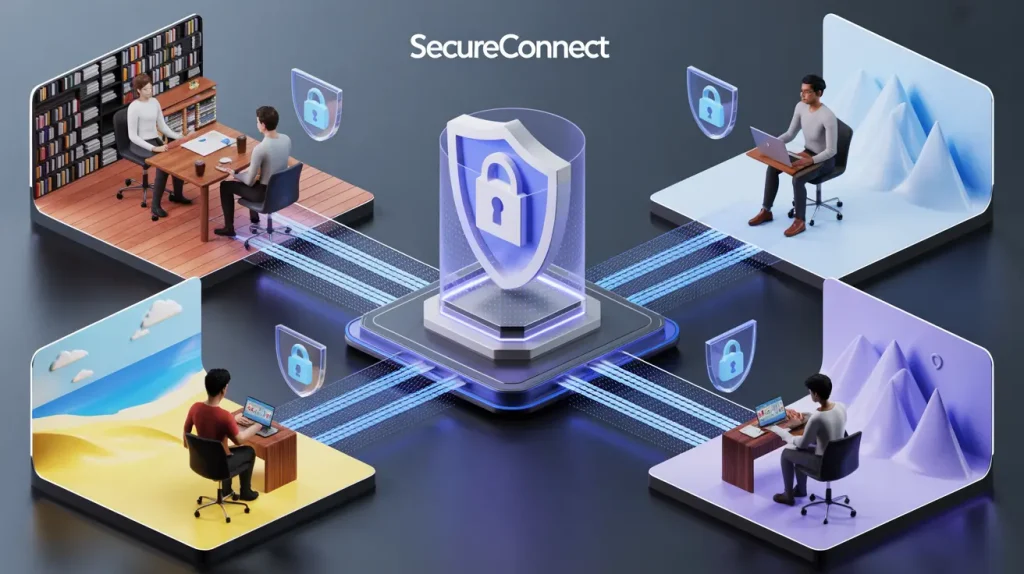
There’s no way around it: securing your remote workforce is essential to keeping your business safe. It’s about putting the right systems, policies, and training in place to ensure your employees can work from anywhere without putting your company at risk. Start with the basics—MFA, secure remote access, and employee education—and then move toward more advanced solutions like Zero Trust and endpoint protection.
The world of remote work can be secure and productive—it just takes a bit of planning and the right tools. With these tips, you’re well on your way to securing your remote workforce for the long term.
Frequently Asked Questions (FAQ)
How to Secure Your Remote Workforce?
Implement multi-factor authentication, use secure remote access tools like VPNs, train employees on cybersecurity best practices, and regularly monitor systems for suspicious activity.
What Are the Best Practices for Securing a Remote Workforce?
Some best practices include using strong passwords, applying data loss prevention tools, enforcing role-based access control, and ensuring your team is well-trained in identifying security threats.
How Does Entra ID Help Secure Remote and Hybrid Workforces?
Entra ID provides solutions to manage access to company resources, verify employee identity, and ensure compliance with security policies, making it easier to protect remote and hybrid workforces.
Securing your remote workforce isn’t just about preventing cyberattacks—it’s about creating an environment where your team can thrive without the constant worry of security breaches. Start taking action today, and make your remote work environment both productive and safe!